

What is 2-Methylamphetamine (2-MA) Ortetamine
2-Methylamphetamine—commonly known by its International Nonproprietary Name (INN), ortetamine—is a synthetic stimulant drug belonging to the amphetamine chemical class.
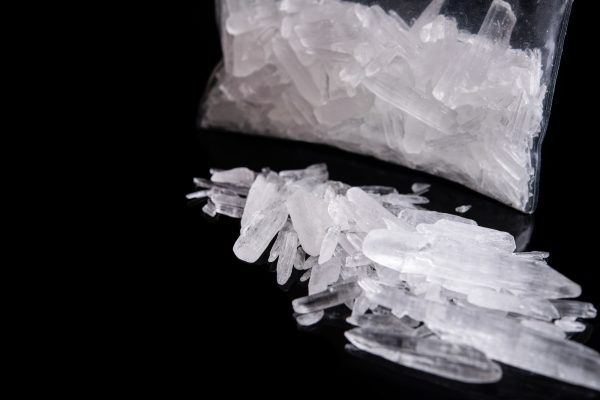
When isolated or synthesized in a laboratory setting, its hydrochloride salt form exists as a white or off-white crystalline powder.
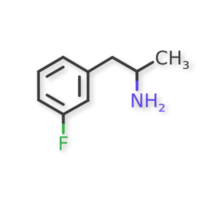
Chemical and Pharmacological ProfileStructure: Its formal chemical structure is α,2-dimethyl-benzeneethanamine.
Ortetamine (INN), also known as 2-methylamphetamine, is a stimulant drug of the amphetamine class. In animal drug discrimination tests it substituted for dextroamphetamine more closely than either 3- or 4-methylamphetamine, although with only around 1/10 the potency of dextroamphetamine itself.
It is a structural isomer of other methyl-substituted amphetamines, specifically 3-methylamphetamine and 4-methylamphetamine.Mechanism & Potency: As a central nervous system stimulant, it interacts with monoamine neurotransmitters similarly to standard amphetamines.
In animal drug discrimination and substitution tests, ortetamine mimics the effects of dextroamphetamine more closely than its 3- or 4-methyl counterparts, though it exhibits roughly 1/10th the potency of dextroamphetamine.
Research and Legality: It is primarily utilized as a reference standard in analytical chemistry and toxicological research to distinguish between various designer drugs, positional isomers, and novel psychoactive substances (NPS).
Certified reference materials are produced as a powder (hydrochloride salt) for laboratory testing and forensic verification.



Reviews
There are no reviews yet.